
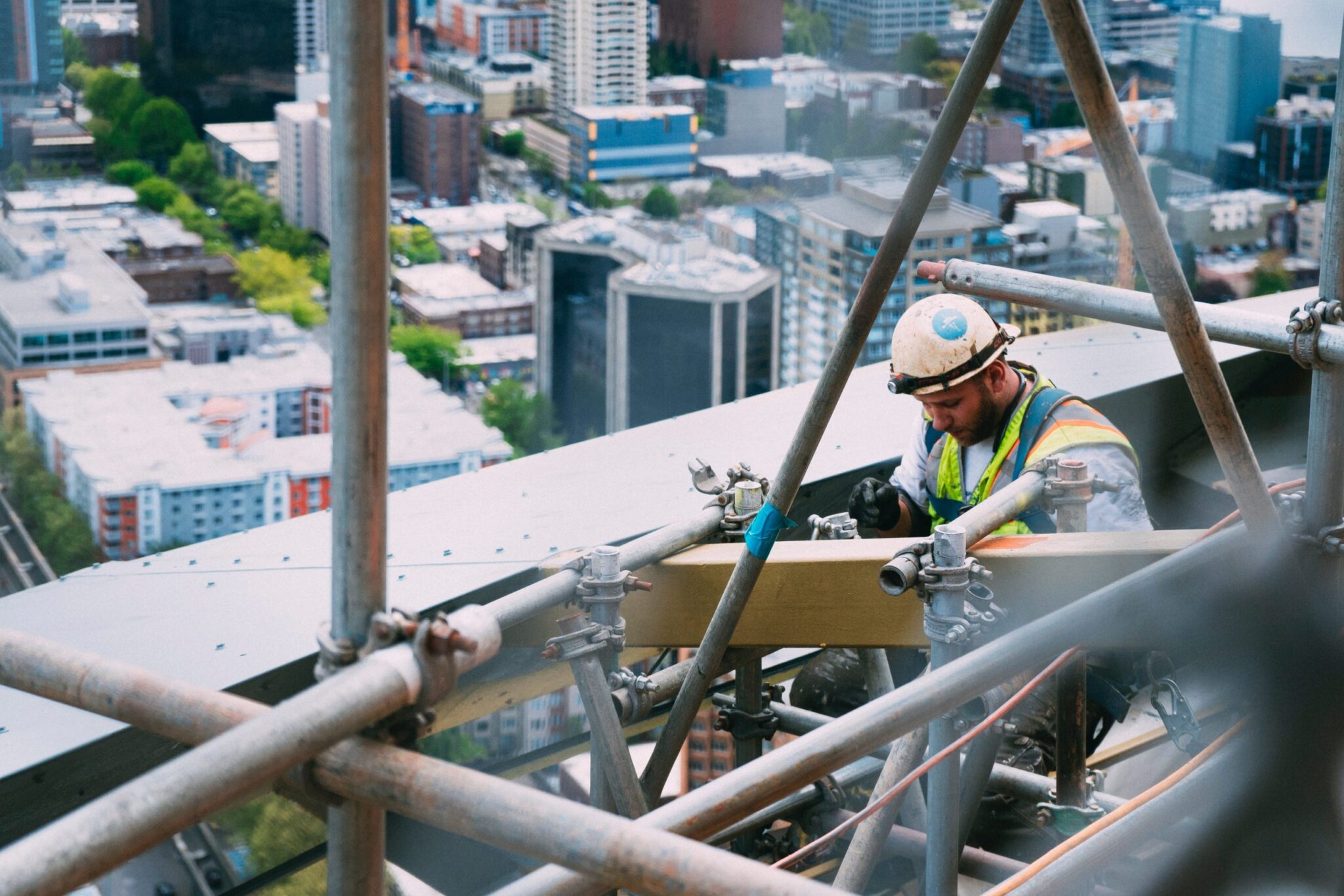
Why Safety Still Comes First in Construction
In construction, deadlines matter. Budgets matter. But none of it means anything if safety is sidelined. The reality is simple: you can't build progress on the back of preventable injuries, accidents, or negligence. True leadership in construction starts with creating a culture where safety is non-negotiable — from the first blueprint to final handover.
1. Injury Prevention Is a Cost Saver, Not a Cost Center
Falls, machinery mishaps, and electrical accidents are still leading causes of jobsite fatalities. Every incident delayed, avoided, or eliminated saves money, time, and — more importantly — lives. Safety isn’t an add-on; it’s risk management done right.
2. Compliance Is the Floor, Not the Ceiling
Meeting OSHA or local regulatory standards is the bare minimum. The best teams go beyond with proactive audits, regular training refreshers, and near-miss tracking systems. They don’t wait for the inspector — they lead the standard.
3. Training Is Ongoing, Not One-and-Done
Safety isn’t just about hard hats and harnesses. It’s daily habits, team awareness, and knowing how to respond when things go sideways. Toolbox talks, real-world simulations, and on-site mentorship create a workforce that reacts right, fast.
4. Technology as a Safety Partner
Drones for site inspections, wearables for fatigue monitoring, BIM for hazard forecasting — smart companies are blending safety with tech. It’s not about replacing people, but making them smarter and safer on the ground.
5. Leadership Sets the Tone
If management cuts corners, so will the crew. Safety has to be visible, vocal, and enforced from the top down. It’s about walking the walk — wearing the gear, following the rules, and taking time to do things right, every time.
Bottom Line:
Safety isn’t just about avoiding lawsuits or downtime. It’s about respect — for your crew, your craft, and your responsibility. Projects can’t succeed unless everyone goes home safe. That’s not negotiable.
0 Comments